
The Quiet Power of Doing Less: Rest as a Radical Act for the Chronically Busy

Somewhere along the way, many of us absorbed the idea that our worth is measured by our output. That rest must be earned, that stillness is laziness, and that the answer to feeling overwhelmed is, somehow, to do more. We fill every gap, answer every message, and fall into bed already bracing for tomorrow.
If you are quietly tired — of holding everything together, of being the one everyone leans on — this is an invitation to consider a different possibility: that doing less might be one of the most healing things you can do.
Busyness as a protector
In Internal Family Systems, the part of us that keeps us endlessly busy is often a protector. It learned, long ago, that staying productive kept us safe, valued, or out of reach of harder feelings. As long as there is a next task, we never have to sit with what is underneath.
Vanya Laporte, a Registered Clinical Counsellor in Victoria, BC, does not treat this busy part as the enemy. She gets curious about it. What is it afraid would happen if you stopped? What feelings is it working so hard to keep at bay? Often, the relentless doing is guarding something tender that simply needs to be met with care.
What constant motion costs
A nervous system that never fully powers down pays a price over time. Sleep that does not restore. A simmering anxiety with no clear cause. Irritability, numbness, or the sense that you are watching your own life from a slight distance. Burnout rarely announces itself; it accumulates quietly, one "I'm fine" at a time.
The body keeps the tally even when the mind insists everything is under control.
Rest is not the same as collapse
Many chronically busy people only stop when they crash — when illness or exhaustion finally forces them down. But true rest is not the same as collapse. Collapse is what happens when we override our limits for too long. Rest is what allows us to honour them before we get there.
In session, Vanya helps you practise a different rhythm:
- Noticing the early signals that you are running on empty
- Befriending the part of you that believes rest must be earned
- Letting your body, rather than your to-do list, set the pace
- Building a basket of skills for settling your nervous system on purpose
The natural world remembers how to rest
Nature does not strive without pause. There are tides that go out, fields that lie fallow, and long winters that look like nothing is happening while everything quietly restores beneath the surface. Vanya's nature-based sessions on the Saanich Peninsula offer a chance to remember this in your own body — to let the slower rhythm of the land give you permission to slow down too.
If you are curious
You do not have to keep proving your worth through exhaustion. Rest is not a reward for finishing; it is a need, as real as hunger or breath. Learning to honour it — gently, and without guilt — can change far more than your schedule.
To learn more, or to book a free Meet and Greet with Vanya Laporte, RCC, visit www.vanyalaporte.com.
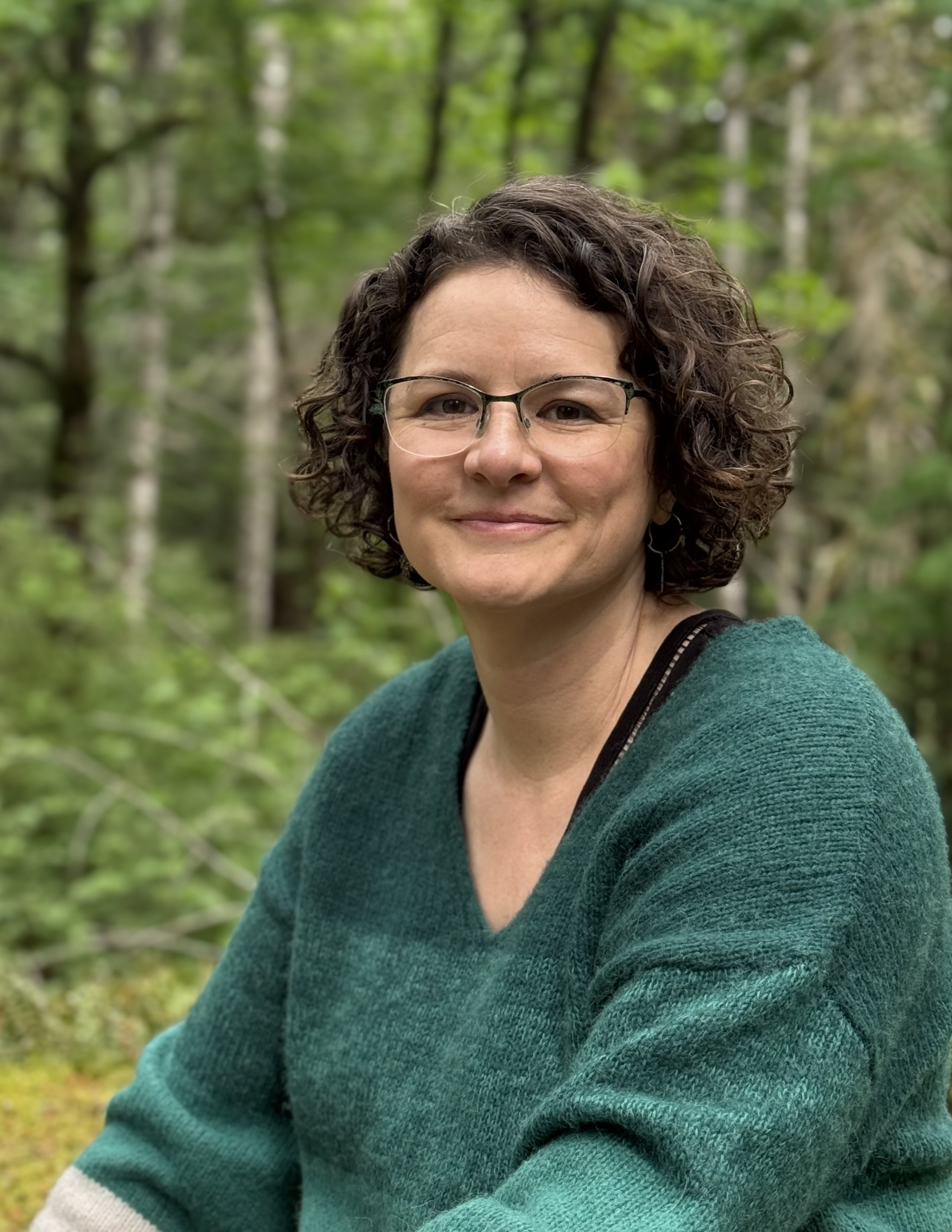
About the Author
Vanya Laporte is a Registered Clinical Counsellor (RCC), Certified Hakomi Practitioner, and Internal Family Systems therapist based in Victoria, BC. She weaves together mindfulness, somatic therapy, and deep nature connection to help clients find their way back to themselves.
More from the journal
Highly Sensitive and Deeply Feeling: Making Sense of a Nervous System That Notices Everything
What if your sensitivity is not a flaw to be managed, but a way of being wired that has its own intelligence — and its own care needs?
Grief Doesn't Follow a Map: Honouring Loss at Your Own Pace
Grief is not a staircase you climb. It is a landscape you learn to live in. If you are months or even years past a loss and still find it surfacing, there is nothing wrong with you.