Highly Sensitive and Deeply Feeling: Making Sense of a Nervous System That Notices Everything
You feel the mood shift in a room before anyone speaks. Loud places leave you frayed. Other people's pain lands in your own body. You have been told, more than once, that you are "too sensitive," "too intense," or that you "overthink things." Somewhere along the way, you may have started to believe it.
What if your sensitivity is not a flaw to be managed, but a way of being wired that has its own intelligence — and its own care needs?
Sensitivity is not weakness
Roughly one in five people has a nervous system that processes the world more deeply. You notice subtleties others miss. You feel things vividly. You reflect before acting. These are not symptoms of something wrong; they are traits of a finely tuned instrument.
The trouble is that the modern world is loud, fast, and rarely built for depth. A sensitive system in an overstimulating environment can tip easily into overwhelm — and overwhelm, over time, can look like anxiety, exhaustion, or shutting down.
Vanya Laporte, a Registered Clinical Counsellor in Victoria, BC, works with deeply feeling people in a way that honours how they are made rather than trying to toughen them up.
When everything comes in at once
For sensitive people, the line between "my feelings" and "everyone else's feelings" can blur. You may carry tension that was never yours to begin with. You may struggle to know what you need, because you are so attuned to what everyone around you needs first.
This is where a body-centered, mindfulness-based approach can help. Rather than analyzing your sensitivity, Vanya helps you feel where it lives in your body and learn its signals — the early flickers of "too much" before they become a flood.
Befriending the parts that brace
In Internal Family Systems, the overwhelm a sensitive person feels is often guarded by hardworking protective parts. A part that withdraws to recover. A part that people-pleases to keep the peace. A part that braces for the next bit of too-muchness.
In session, you might:
- Get curious about the part of you that feels responsible for everyone else's comfort
- Learn to recognize your nervous system's "I am full" signal earlier
- Build a basket of skills for settling and recovering after big input
- Discover that your sensitivity, well-tended, is also the source of your empathy, creativity, and depth
None of this is about becoming less sensitive. It is about caring for your sensitivity so it can become the gift it was always meant to be.
The natural world as a soft place to land
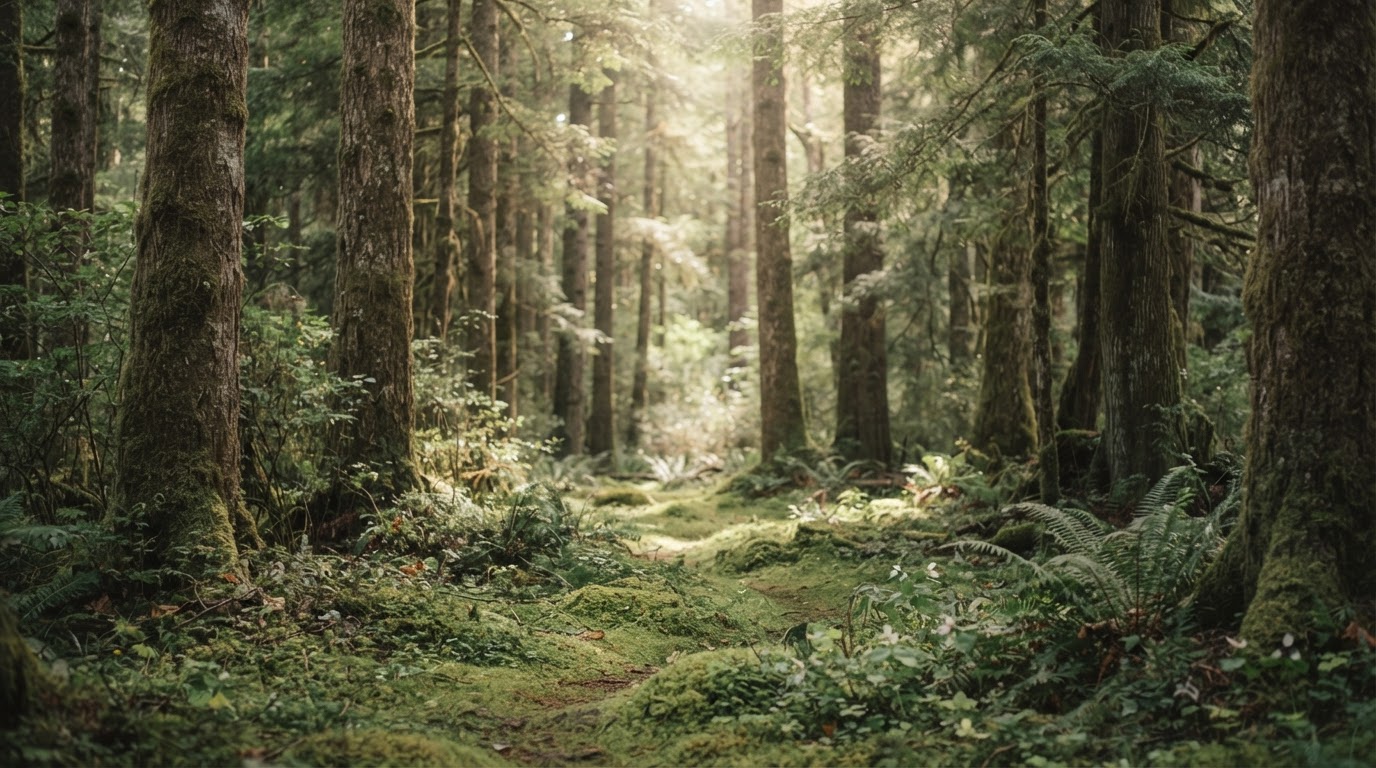
Many sensitive people feel most at ease outdoors, where the input is gentler and the pace is slower. Vanya offers nature-based sessions on the trails of the Saanich Peninsula, where a tender nervous system can settle among trees, water, and quiet — a relief after the noise of daily life.
If you are curious
If you have spent years apologizing for feeling too much, there is another way to relate to yourself — one built on honouring your unique wiring and discovering your own innate resources for well-being. Your sensitivity is not the problem. It may be one of your greatest strengths.
To learn more, or to book a free Meet and Greet with Vanya Laporte, RCC, visit www.vanyalaporte.com.
About the Author
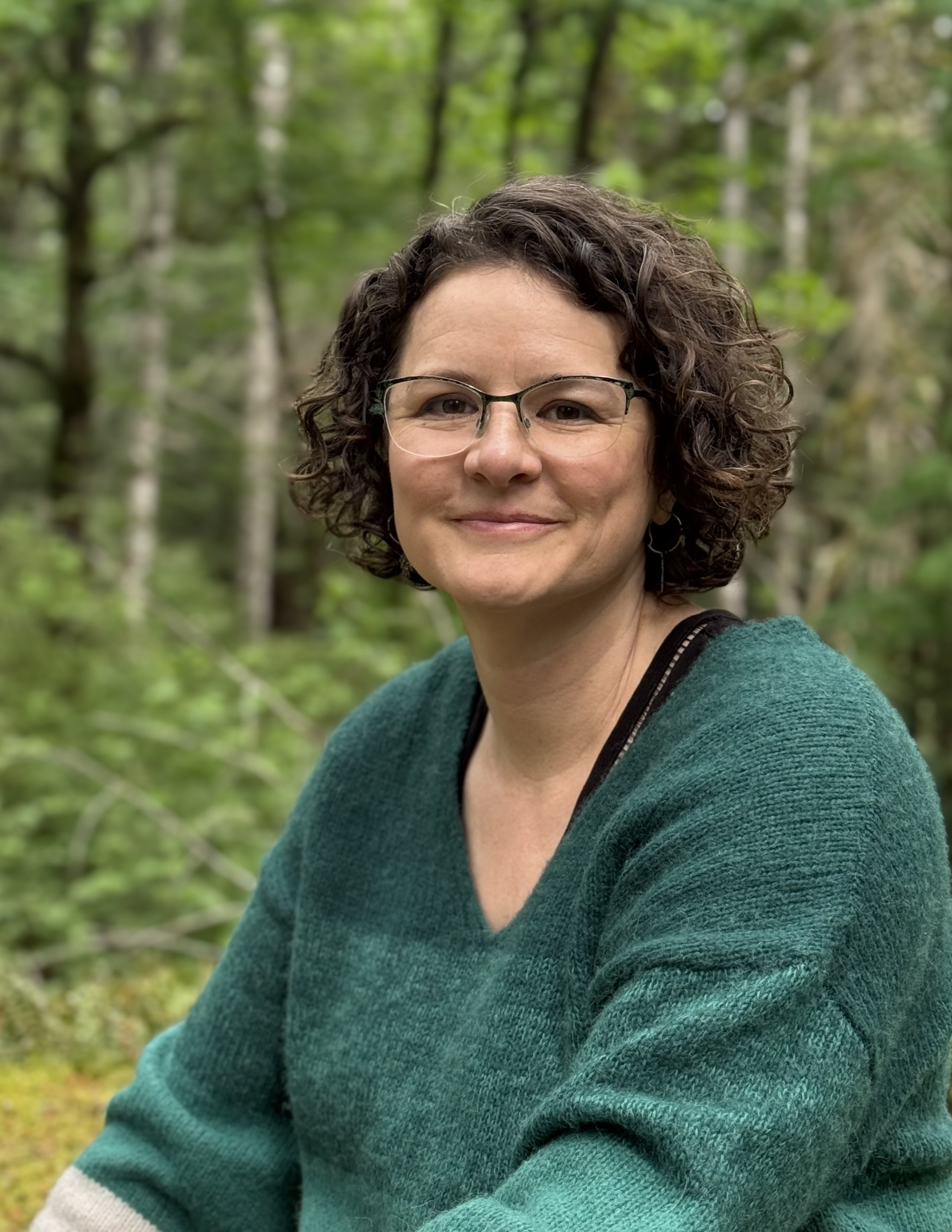
Vanya Laporte is a Registered Clinical Counsellor (RCC), Certified Hakomi Practitioner, and Internal Family Systems therapist based in Victoria, BC. She weaves together mindfulness, somatic therapy, and deep nature connection to help clients find their way back to themselves.
More from the journal

Grief Doesn't Follow a Map: Honouring Loss at Your Own Pace
Grief is not a staircase you climb. It is a landscape you learn to live in. If you are months or even years past a loss and still find it surfacing, there is nothing wrong with you.

The Quiet Power of Doing Less: Rest as a Radical Act for the Chronically Busy
If you are quietly tired — of holding everything together, of being the one everyone leans on — this is an invitation to consider that doing less might be one of the most healing things you can do.