
Grief Doesn't Follow a Map: Honouring Loss at Your Own Pace
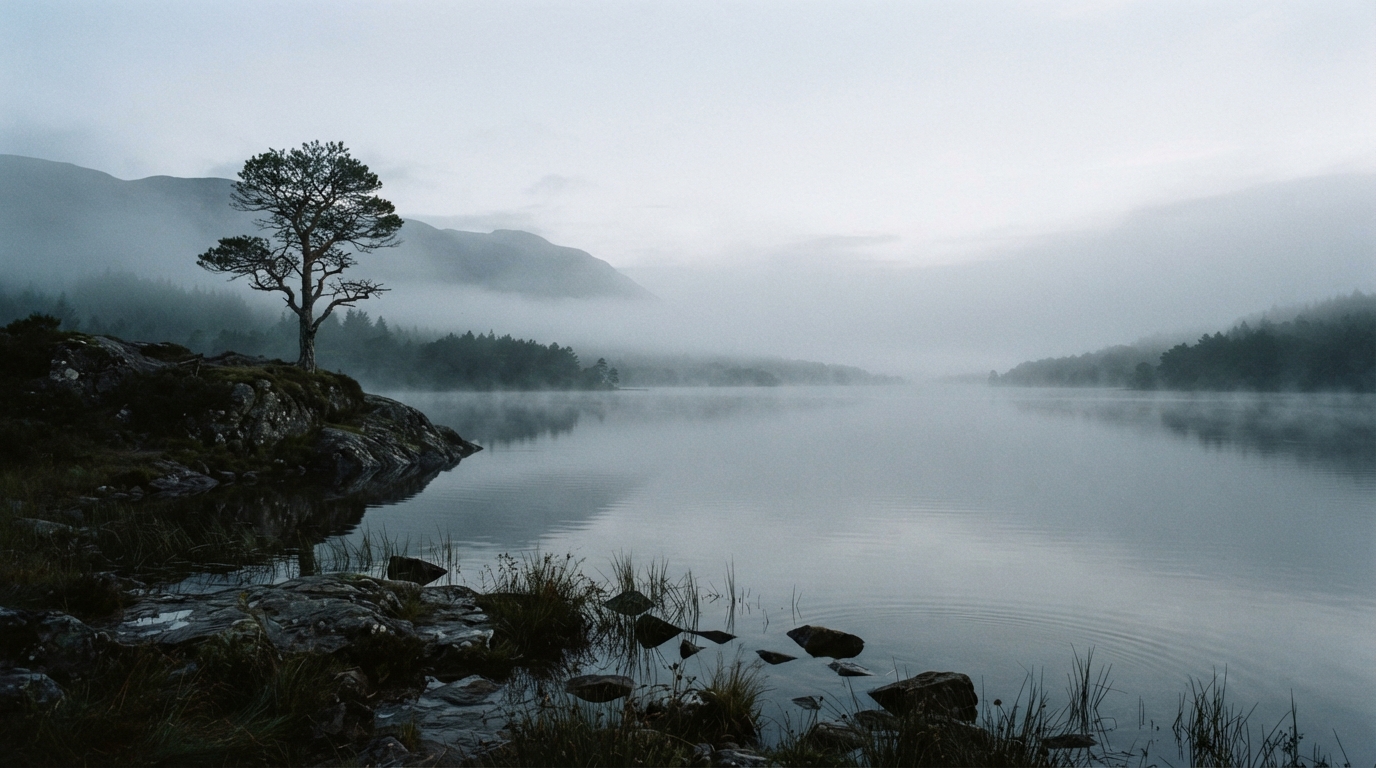
There is a quiet myth that grief moves in tidy stages — that you pass through denial, anger, bargaining, depression, and acceptance, and then you are "done." Most people who have actually grieved know better. Grief is not a staircase you climb. It is a landscape you learn to live in.
If you are months or even years past a loss and still find it surfacing in unexpected moments, there is nothing wrong with you. You are grieving the way humans actually grieve.
There is no timeline
We live in a culture that is uncomfortable with sorrow. After a loss, the casseroles arrive, the cards are sent, and then — often far too soon — the world expects you to be "back to normal." Many people learn to grieve in private, apologizing for tears that arrive at inconvenient times.
Vanya Laporte, a Registered Clinical Counsellor in Victoria, BC, offers something the world often does not: unhurried space to feel what is real, for as long as it takes. Grief does not respond to deadlines. It responds to being witnessed.
Grief is not only about death
We grieve far more than we are given permission to. The end of a relationship. A diagnosis that changes everything. The version of life we expected and did not get. The home, the role, the identity, the future we quietly let go of. Loss comes in many forms, and each deserves to be honoured.
Naming a loss as grief — rather than dismissing it as "not a big deal" — is often the first tender step toward healing.
When grief lives in the body
Grief is not only an emotion; it is a full-body experience. It can show up as a heaviness in the chest, a tightness in the throat, a bone-deep fatigue, or a restlessness that has nowhere to go. Talking about loss is valuable, but words alone rarely reach where grief actually lives.
Vanya works in a mindfulness-based, somatic, and trauma-informed way, drawing on the Hakomi Method and Internal Family Systems. Rather than asking you to retell your story over and over, she helps you gently attend to what your body is holding:
- The part of you that stays busy so the feelings cannot catch up
- The wave of sorrow that needs somewhere safe to move through you
- The tender, grieving part that has been waiting to be comforted
- The quiet question of who you are now, on the other side of this loss
The land as a companion in grief
Many people find that grief moves more freely outdoors. Under the open sky, beside the moving water of Elk/Beaver Lake, sorrow has room to breathe. The natural world does not flinch from loss; it holds death and renewal side by side, season after season. For some, nature-based sessions on the Saanich Peninsula become a place where grief can finally be set down for a while.
If you are curious
Grief does not need to be fixed or hurried. It needs to be honoured, witnessed, and accompanied. Wherever you are in your own landscape of loss — raw and recent, or quietly carried for years — you do not have to walk it alone.
To learn more, or to book a free Meet and Greet with Vanya Laporte, RCC, visit www.vanyalaporte.com.
This blog touches on grief and loss, which can be tender to read about. If you are struggling, please reach out to a counsellor or a trusted person in your life for support.
About the Author
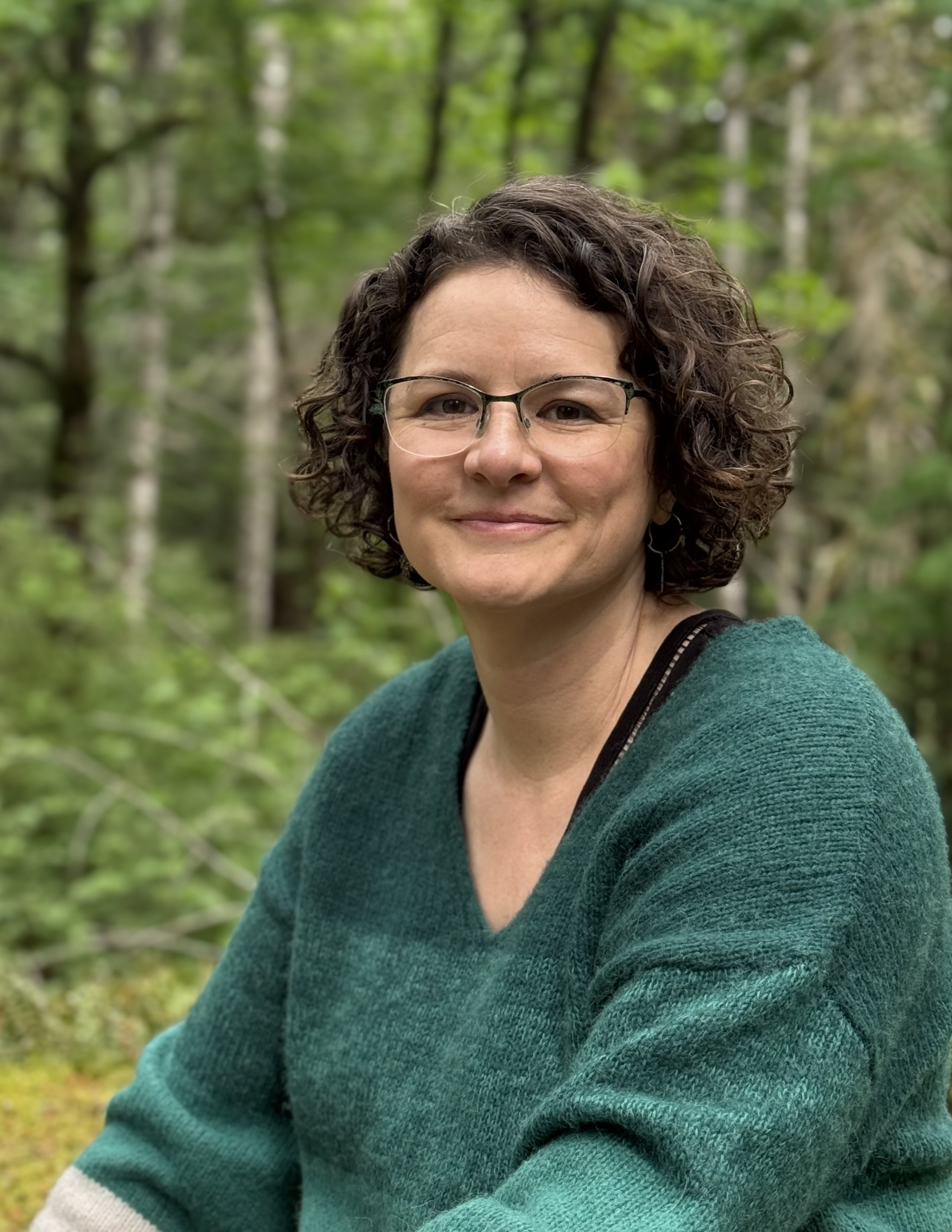
Vanya Laporte is a Registered Clinical Counsellor (RCC), Certified Hakomi Practitioner, and Internal Family Systems therapist based in Victoria, BC. She weaves together mindfulness, somatic therapy, and deep nature connection to help clients find their way back to themselves.
More from the journal
Highly Sensitive and Deeply Feeling: Making Sense of a Nervous System That Notices Everything
What if your sensitivity is not a flaw to be managed, but a way of being wired that has its own intelligence — and its own care needs?

The Quiet Power of Doing Less: Rest as a Radical Act for the Chronically Busy
If you are quietly tired — of holding everything together, of being the one everyone leans on — this is an invitation to consider that doing less might be one of the most healing things you can do.