
Meet Your Inner Protector: A Gentle Introduction to Internal Family Systems

"With IFS as a framework, people can gain a remarkable depth of healing, and with it a lasting sense of peace and coherence."
— Vanya Laporte, RCC
Most of us have had the experience of feeling pulled in two directions at once. A part of you wants to rest. Another part insists you keep going. A part of you longs for connection. Another part says, "Don't trust them." A part of you wants to speak up in the meeting. Another part shuts the door before the words can land.
If you have ever wondered why you cannot just decide to feel different — why the willpower approach to anxiety, grief, or burnout keeps falling short — Internal Family Systems (IFS) therapy may offer a new doorway.
You are not one thing
IFS is a mindfulness-based, somatic form of psychotherapy developed by Dr. Richard Schwartz. Its central idea is gentle and radical at the same time: you are not made up of one personality, but of a whole inner ecosystem of parts.
There are parts that protect you. Parts that carry old hurt. Parts that organize, soothe, distract, achieve, or shut down. None of these parts are bad. Each one is doing its best — often with very outdated information — to keep you safe.
The protectors at the front door
When you first sit with a counsellor like Vanya — a Registered Clinical Counsellor, Certified Hakomi Practitioner, and Internal Family Systems therapist — the parts you usually meet first are the protectors. These are the parts working hardest to keep painful feelings at bay.
A protector might sound like:
- "I don't have time to be sad."
- "If I just achieve more, I'll be okay."
- "Let's not bring that up."
- "I'm fine."
Protectors are loyal. They have often been on the job since you were very young. In IFS, we do not try to argue with them or push them aside. We say hello. We thank them. We get curious about what they have been carrying.
The exiles they are guarding
Behind the protectors are what IFS calls exiles — the younger, more vulnerable parts of us that carry the weight of past hurt, fear, grief, and unmet need. Many of us have spent a lifetime working very hard to make sure these exiled parts stay tucked away.
This is not weakness. It is wisdom. But over time, the energy it takes to hold these parts away can show up as anxiety, depression, perfectionism, burnout, chronic conflict in relationships, or a quiet sense that something inside is unreachable.
IFS offers another way. Slowly, gently, and only with the protectors' consent, we can begin to know these exiled parts, witness what they have been holding, and help them release the burdens that were never theirs to carry alone.
Self — the calm, curious presence inside
Here is the part of IFS that many clients find most surprising: you already have everything you need to guide this inner work. IFS calls it Self — the calm, curious, compassionate presence that exists in every person beneath their parts.
Self is not something you have to build. It is something you uncover. With practice, more of your daily life can be lived from Self — and your parts can finally rest from jobs they were never meant to do alone.
What this looks like in session
In an IFS session with Vanya, you might be invited to:
- Notice where a part lives in your body
- Get curious about its age, its role, and what it is afraid would happen if it stopped doing its job
- Offer it appreciation and listen for what it really needs
- Move toward unburdening, at your pace, only when the part is ready
Vanya integrates IFS with the Hakomi Method, somatic mindfulness, and — for those who choose it — nature-based sessions outdoors on the Saanich Peninsula. Many clients find that meeting their parts under the cedars or beside Elk/Beaver Lake softens the work in a way an office sometimes cannot.
If you are curious
You do not have to be in crisis to benefit from IFS. Many clients come simply because they are tired of fighting themselves. They are ready to lay down the inner war and meet the parts of themselves they have been running from with kindness instead.
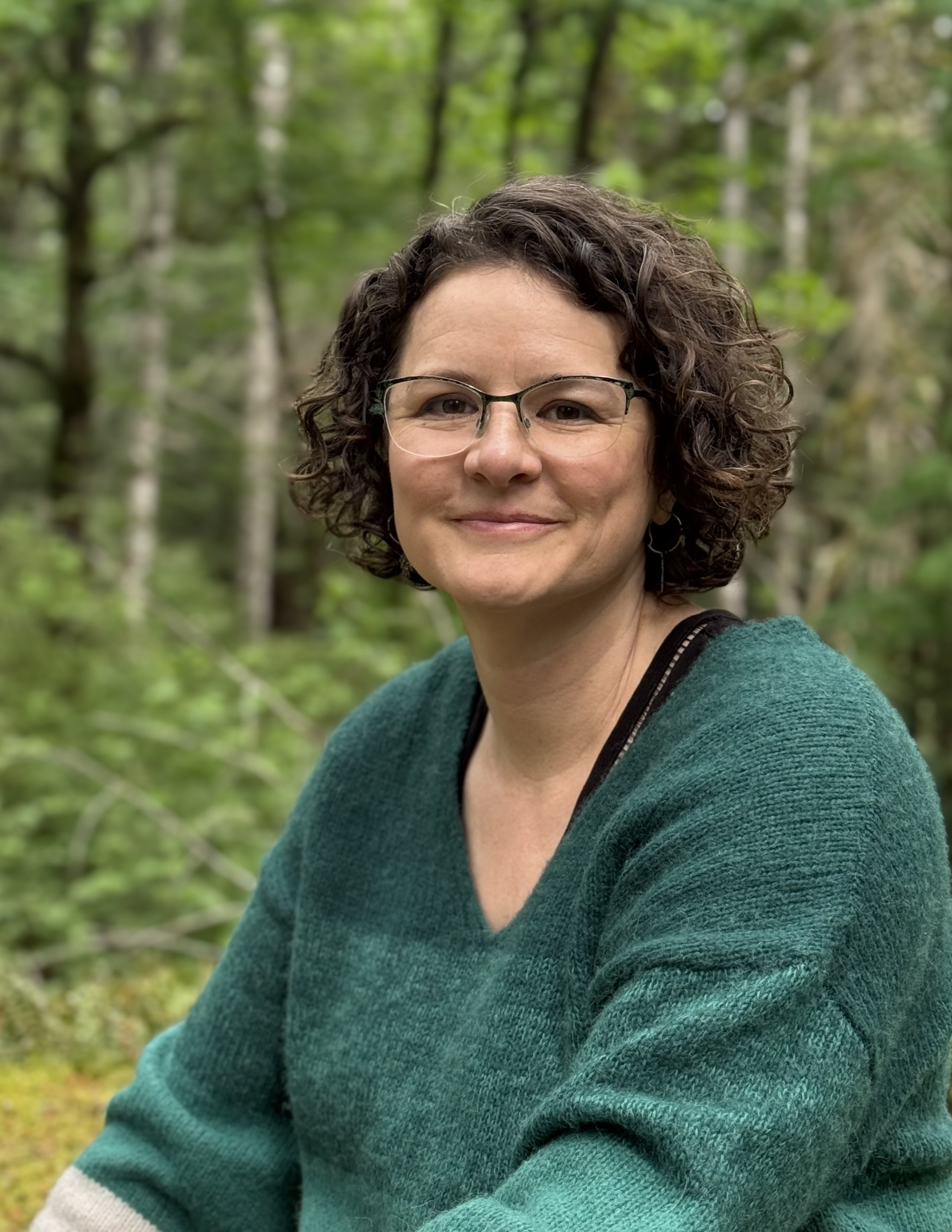
About the Author
Vanya Laporte is a Registered Clinical Counsellor (RCC), Certified Hakomi Practitioner, and Internal Family Systems therapist based in Victoria, BC. She weaves together mindfulness, somatic therapy, and deep nature connection to help clients find their way back to themselves.
More from the journal

Highly Sensitive and Deeply Feeling: Making Sense of a Nervous System That Notices Everything
What if your sensitivity is not a flaw to be managed, but a way of being wired that has its own intelligence — and its own care needs?

Grief Doesn't Follow a Map: Honouring Loss at Your Own Pace
Grief is not a staircase you climb. It is a landscape you learn to live in. If you are months or even years past a loss and still find it surfacing, there is nothing wrong with you.