
Come As You Are: What It Really Means to Begin Therapy Exactly Where You Are

"Come as you are. Root where you are. Tend what is emerging."
— Vanya Laporte, RCC
Few sentences carry as much quiet pressure as "I should probably get some help." There is often a long pause that follows — a sense that you need to tidy yourself first. Find the right words. Understand your problem well enough to explain it. Be a little less of a mess before you let someone see.
If you have been waiting until you feel ready, this is a gentle invitation to stop waiting. You are allowed to begin exactly where you are standing.
You do not need the right words
Many people imagine that therapy requires a clear story — a beginning, a middle, and a tidy summary of what is wrong. In truth, most people arrive unsure of how to name what they are carrying. That uncertainty is not a barrier. It is often the very thing worth exploring together.
Vanya Laporte, a Registered Clinical Counsellor in Victoria, BC, works in a way that does not ask you to perform or explain yourself perfectly. Her approach is mindfulness-based, somatic, and trauma-informed, which means the work can begin with something as simple as noticing what is happening in your body right now.
Starting where you are, not where you think you should be
There is an old idea that you have to hit a certain level of struggle to "deserve" support — that therapy is only for crisis. But you do not have to be in crisis to benefit from being met with care.
People come to counselling for all kinds of reasons:
- A low-grade tiredness that sleep does not fix
- A relationship that keeps hitting the same wall
- Grief that arrived and never quite left
- A longing for something they cannot yet name
Wherever you are, it is a valid place to begin.
Rooting where you are
Vanya's words — come as you are, root where you are, tend what is emerging — points to something important about how change actually happens. We do not transform by abandoning ourselves and starting over. We grow by becoming more rooted in who and where we already are.
That might mean getting to know the part of you that is anxious, rather than trying to silence it. It might mean letting your body lead for a while instead of your busy mind. It might mean sitting outdoors, under the cedars on the Saanich Peninsula, and letting the natural world help you settle before any words come at all.
Tending what is emerging
Once you are rooted, something often begins to stir — a feeling you have kept at arm's length, a need you have not let yourself have, a part of you that has been waiting to be heard. In session, Vanya helps you tend to what emerges gently, at the pace of your nervous system, drawing on Internal Family Systems, nature connections and other somatic practices.
Nothing is forced. Nothing is rushed. You set the pace, and you choose how to live a meaningful life from there.
If you are curious
If you have been telling yourself you will reach out once you have it more together, consider this permission to come as you are. Messy, uncertain, tired, hopeful — all of it is welcome. You do not have to arrive polished. You only have to arrive.
To learn more, or to book a free Meet and Greet with Vanya Laporte, RCC, visit www.vanyalaporte.com.
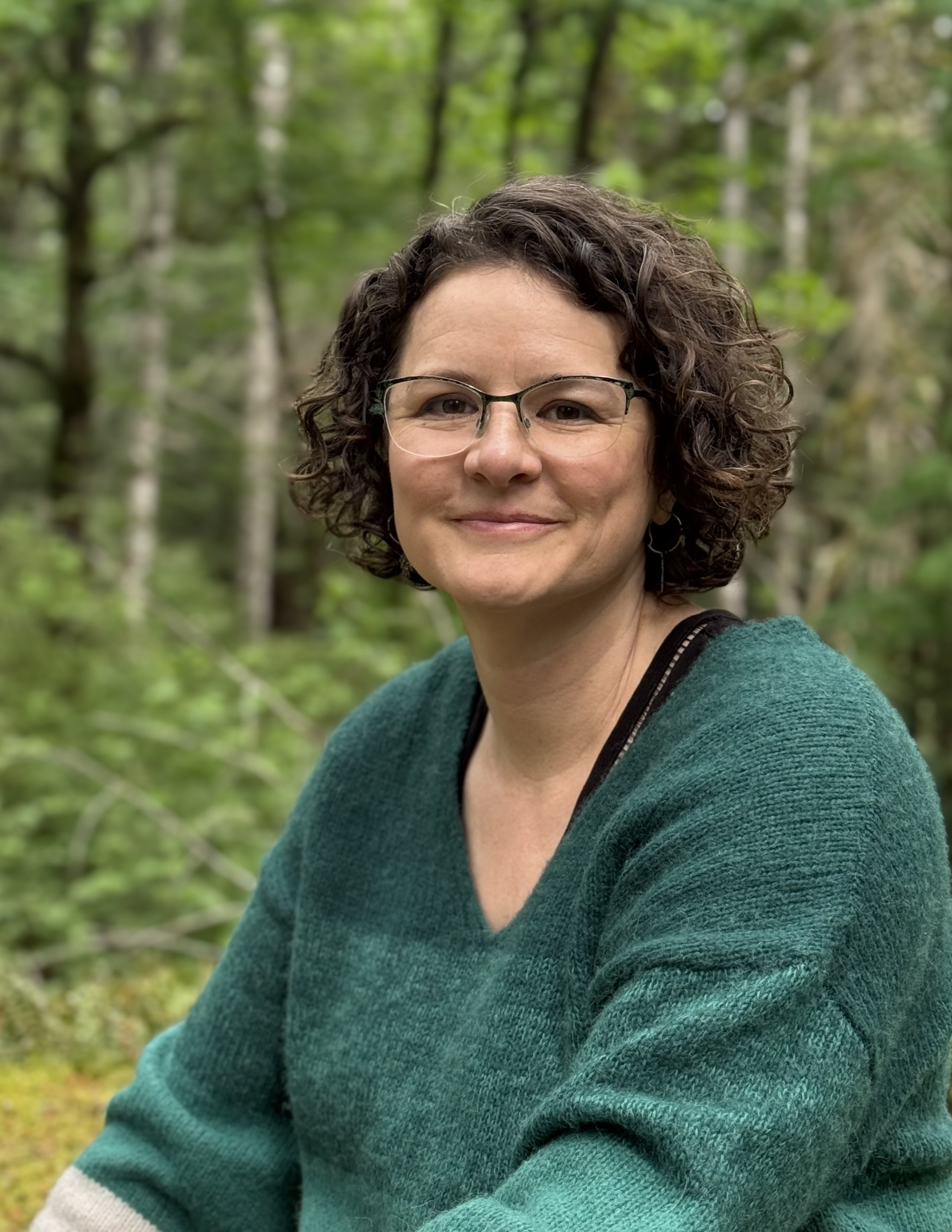
About the Author
Vanya Laporte is a Registered Clinical Counsellor (RCC), Certified Hakomi Practitioner, and Internal Family Systems therapist based in Victoria, BC. She weaves together mindfulness, somatic therapy, and deep nature connection to help clients find their way back to themselves.
More from the journal

Highly Sensitive and Deeply Feeling: Making Sense of a Nervous System That Notices Everything
What if your sensitivity is not a flaw to be managed, but a way of being wired that has its own intelligence — and its own care needs?

Grief Doesn't Follow a Map: Honouring Loss at Your Own Pace
Grief is not a staircase you climb. It is a landscape you learn to live in. If you are months or even years past a loss and still find it surfacing, there is nothing wrong with you.